Saturated fat
Saturated fat is mainly found in animal foods as well as coconut and palm fat. Too much of it raises LDL cholesterol.
Keep an eye on it when eating animal productsWhat the body needs it for
- Provide energy
- Are part of cell membranes
- Unfavourable for blood lipids and heart in larger amounts
How much you need
At most 10 % of energy, so below about 22 g per day at 2,000 kcal. Better replaced with unsaturated fats from nuts, seeds and plant oils.
Where a lot of it is found
Content per 100 g, rounded. Values vary by variety and product.
- Coconut fatapprox. 87 g
- Butterapprox. 51 g
- Palm fatapprox. 50 g
- Whipping cream (30 %)approx. 19 g
- Hard cheeseapprox. 20 g
- Salamiapprox. 15 g
How to make the most of it
- Eat sausage, butter, cheese and fatty meat less often.
- Use olive oil or cold-pressed rapeseed oil instead of butter.
- Swap meat for pulses and tofu now and then.
Matching recipes
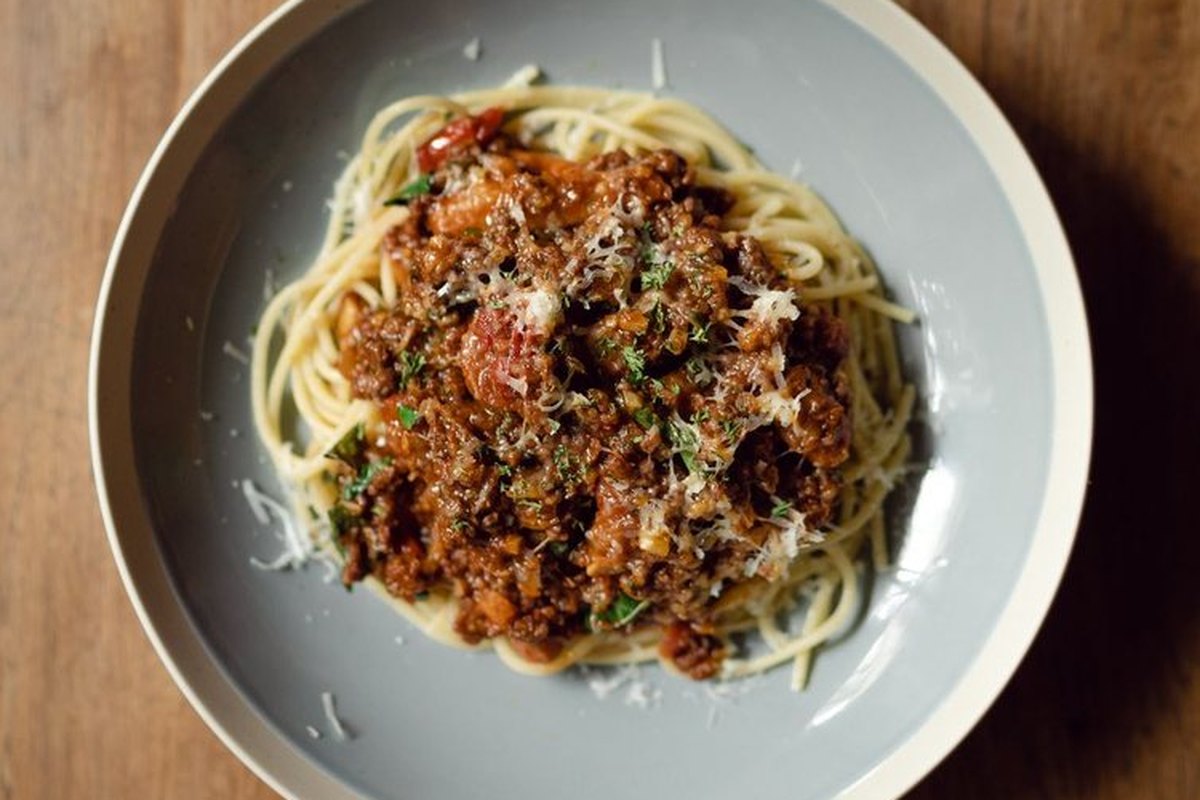
Wholewheat spaghetti with lentil bolognese
A hearty bolognese made with red lentils, vegetables and tomatoes, served with wholewheat spaghetti – filling, high in fibre and family-friendly.

Chili sin carne with beans and lentils
A hearty chili with kidney beans, lentils and sweetcorn. Perfect for cold days and for batch cooking several meals.
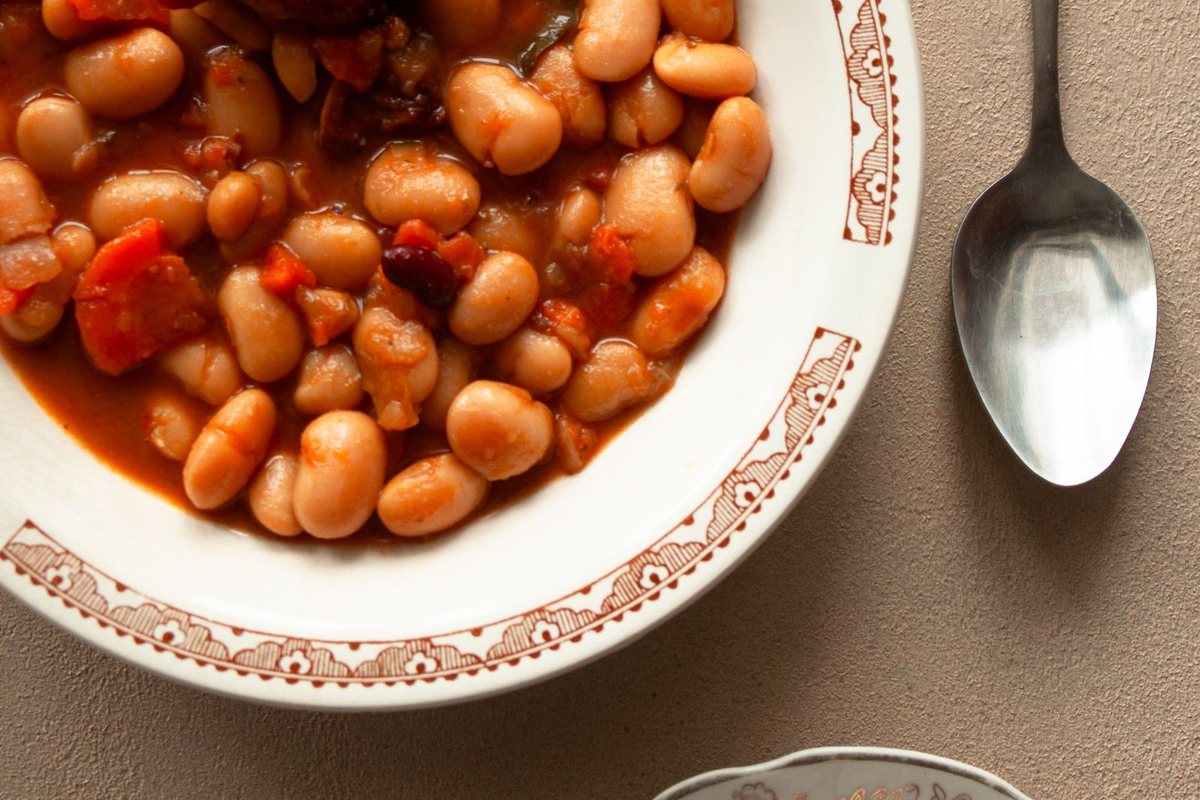
White bean stew with kale and smoked tofu
A warming winter stew with white beans, tomatoes, potatoes, kale and smoky tofu – hearty, high in fibre and ideal for batch cooking.

Tempeh bowl with spelt, edamame and peanut dressing
Crispy pan-fried tempeh on spelt with edamame, red cabbage, carrot, cucumber and avocado, topped with a creamy peanut and lime dressing.
More nutrients
Reference values according to the German Nutrition Society (DGE) for adults unless stated otherwise. DGE reference values