Iodine
The thyroid needs iodine for its hormones. Germany is an iodine-deficient region, which is why iodised salt matters.
Keep an eye on it with a plant-based dietKeep an eye on it when eating animal productsWhat the body needs it for
- Production of thyroid hormones
- Metabolism and energy balance
- Development in pregnancy and childhood
How much you need
Adults: about 200 µg per day, from 51 years 180 µg (DGE).
Good plant sources
Content per 100 g, rounded. Values vary by variety and product.
- Iodised salt (per 1 g)approx. 2 µg
- Nori seaweed (highly variable)approx. 1,500 µg
How to make the most of it
- Always use iodised salt at home instead of sea salt or Himalayan salt.
- Avoid kombu and hijiki: they can contain extremely high amounts of iodine.
- With a fully plant-based diet, a supplement often makes sense – ideally discuss this individually.
Matching recipes

Chili sin carne with beans and lentils
A hearty chili with kidney beans, lentils and sweetcorn. Perfect for cold days and for batch cooking several meals.
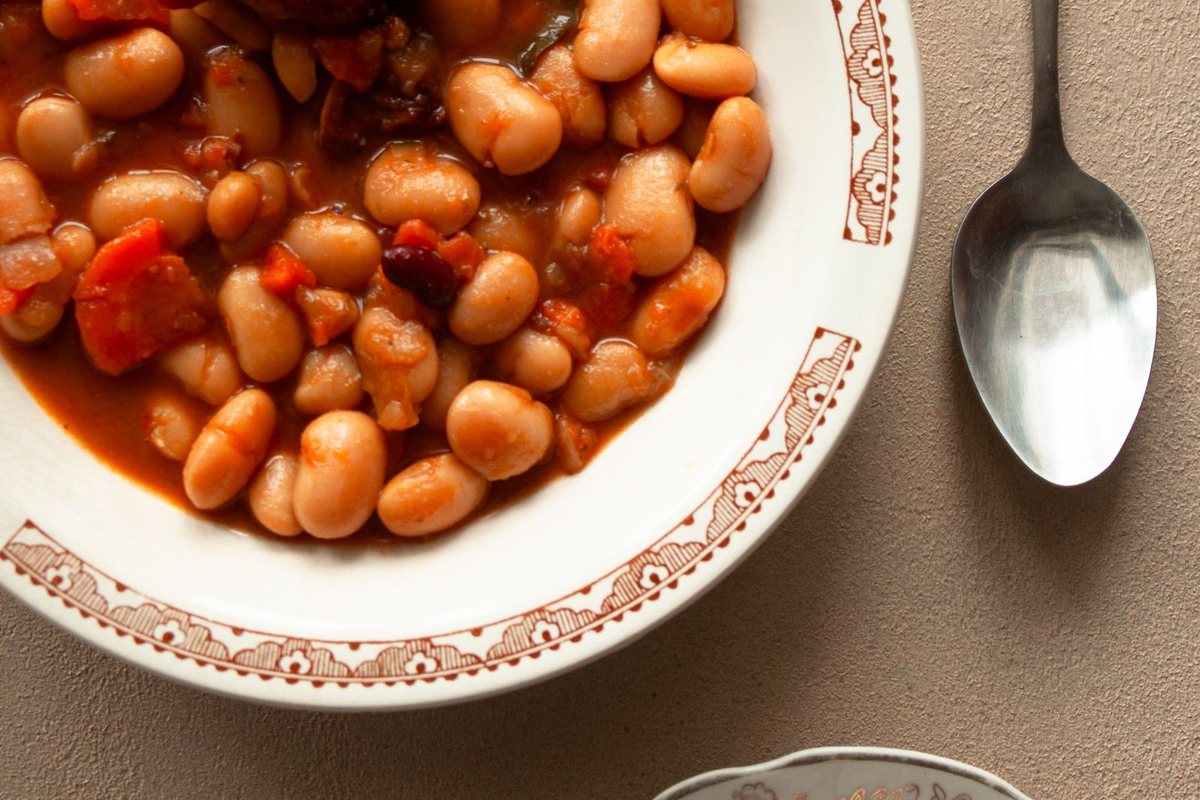
White bean stew with kale and smoked tofu
A warming winter stew with white beans, tomatoes, potatoes, kale and smoky tofu – hearty, high in fibre and ideal for batch cooking.
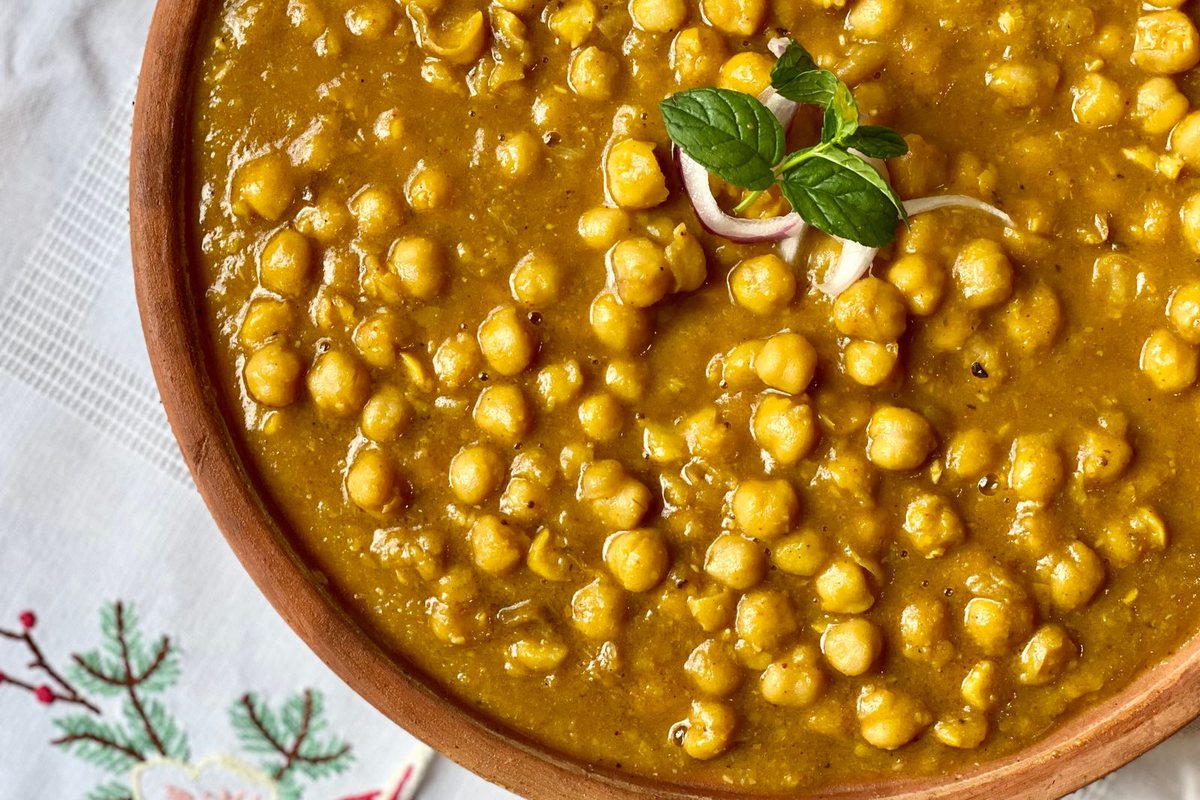
Chickpea and spinach curry with spelt
An aromatic curry with chickpeas, tomatoes, a little coconut milk and plenty of spinach, served with spelt – ready in 40 minutes.

Wholewheat spaghetti with lentil bolognese
A hearty bolognese made with red lentils, vegetables and tomatoes, served with wholewheat spaghetti – filling, high in fibre and family-friendly.
More nutrients
Reference values according to the German Nutrition Society (DGE) for adults unless stated otherwise. DGE reference values