Phytochemicals
Polyphenols, carotenoids, glucosinolates and many more: thousands of compounds that only plants make. They are considered protective for the heart, blood vessels and cells.
Keep an eye on it when eating animal productsWhat the body needs it for
- Protect cells from oxidative stress
- Can dampen inflammatory processes
- Support a diverse gut flora
How much you need
There are no fixed reference values. The DGE recommends at least 3 portions of vegetables and 2 portions of fruit per day – as colourful as possible.
Where they are found
- Berries and red grapes: anthocyanins
- Broccoli, kale, Brussels sprouts: glucosinolates
- Tomatoes and carrots: carotenoids
- Onions and garlic: sulphides
- Pulses: saponins and phytoestrogens
- Herbs, spices, cocoa and green tea: flavonoids
How to make the most of it
- Eat colourfully: each colour stands for different compounds.
- Eating a lot of meat often crowds out vegetables – make vegetables the main side.
- Eat some raw and some cooked: heat makes some compounds more available.
Matching recipes
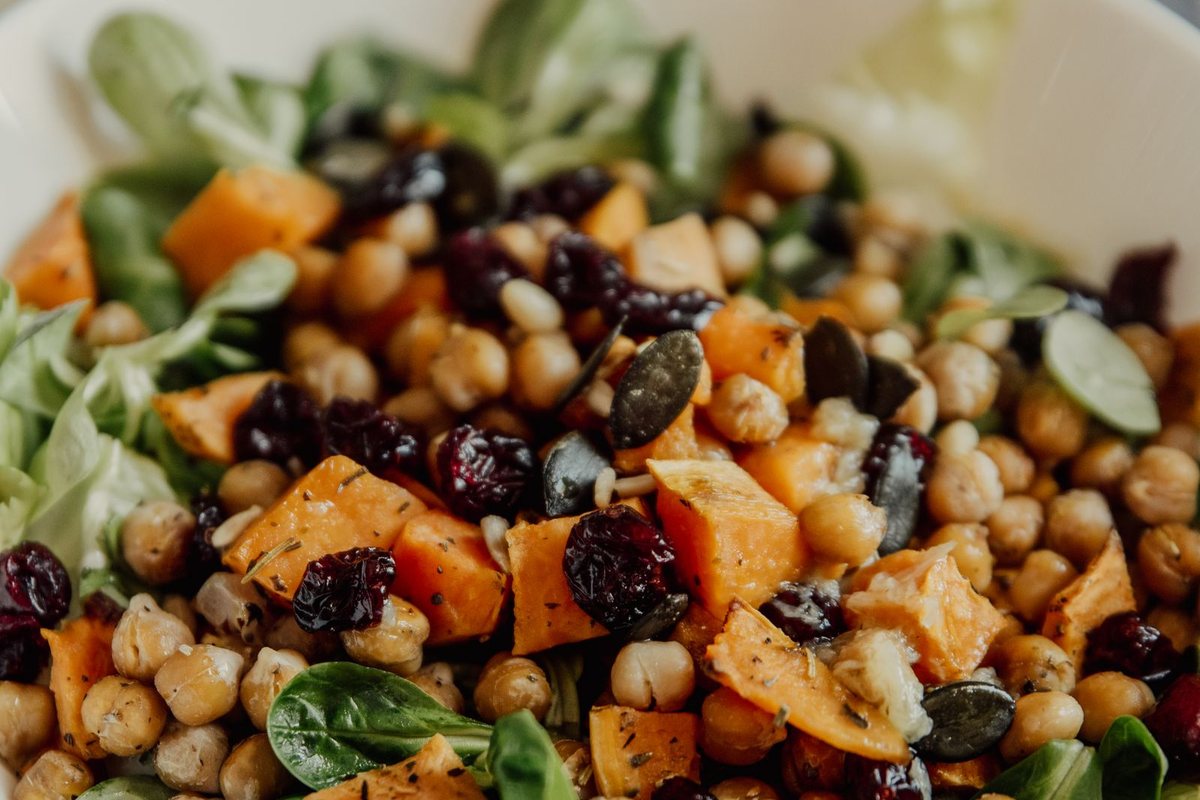
Roast vegetable bowl with pumpkin, chickpeas and tahini dressing
Roasted Hokkaido pumpkin and crispy chickpeas on quinoa and kale, brought together by a creamy tahini and lemon dressing.
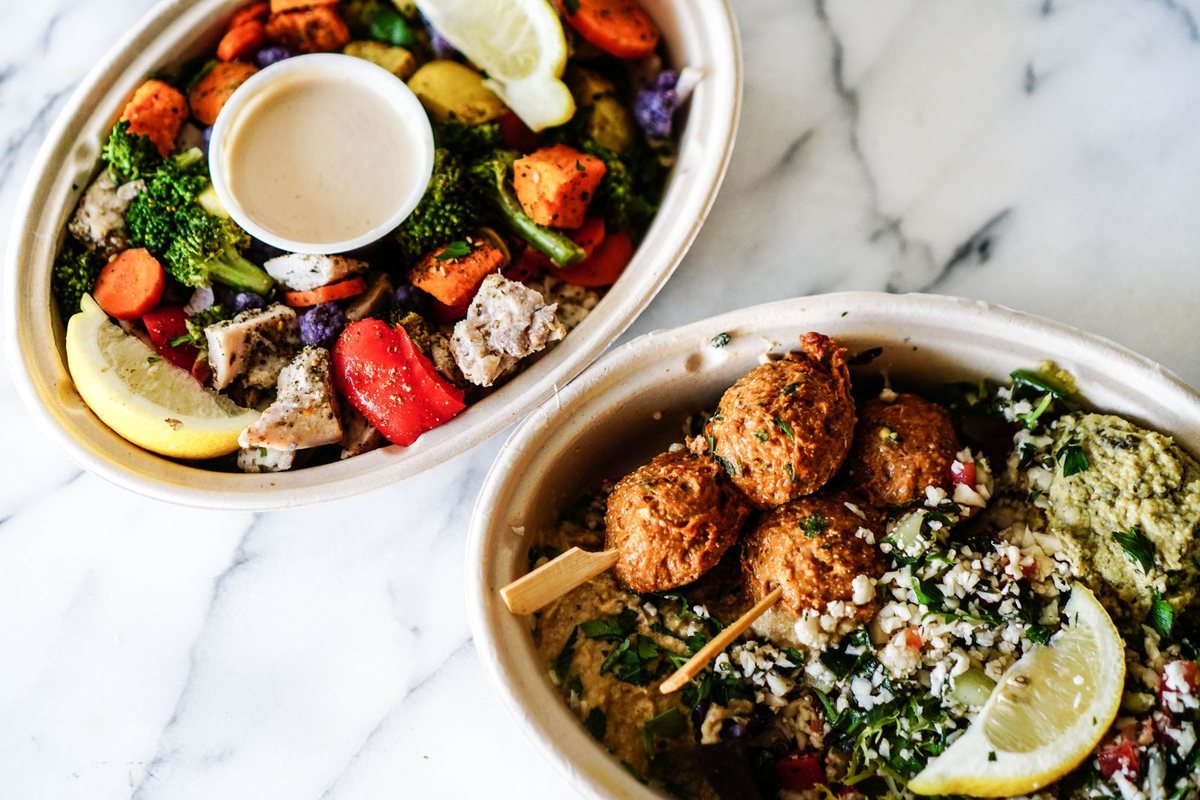
Mediterranean lentil bowl with roast vegetables and hummus
Beluga lentils with roasted vegetables, rocket, hummus and pumpkin seeds – sunny, filling and great to take with you.

Overnight oats with berries and flaxseed
A breakfast that makes itself overnight: oats with soy yoghurt, flaxseed, berries and walnuts.
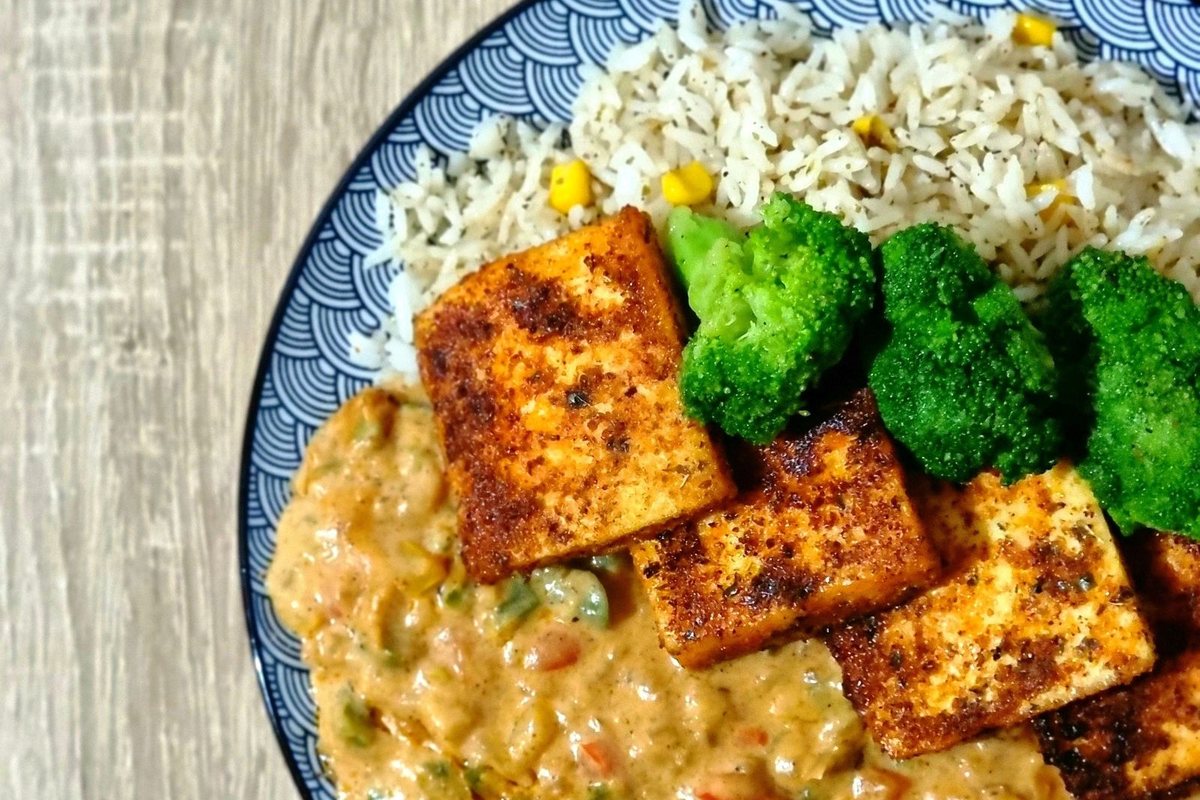
Crispy baked tofu with broccoli and peanut sauce
Golden tofu cubes and broccoli from the oven tray with a creamy peanut and lime sauce – little effort, lots of protein.
More nutrients
Reference values according to the German Nutrition Society (DGE) for adults unless stated otherwise. DGE reference values