Zinc
Zinc is part of over 300 enzymes. Whole grains and pulses provide plenty, but also contain phytate, which inhibits absorption.
Keep an eye on it with a plant-based dietWhat the body needs it for
- Immune system and wound healing
- Skin, hair and nails
- Cell division and metabolism
How much you need
Depending on phytate intake according to the DGE: men 11 to 16 mg, women 7 to 10 mg per day. With a plant-based diet, the upper value applies.
Good plant sources
Content per 100 g, rounded. Values vary by variety and product.
- Hulled hemp seedsapprox. 10 mg
- Pumpkin seedsapprox. 7 mg
- Cashewsapprox. 5.8 mg
- Oatsapprox. 4 mg
- Lentils, dryapprox. 3.5 mg
- Tofuapprox. 1.5 mg
How to make the most of it
- Sourdough bread and soaked pulses improve absorption.
- Plan nuts and seeds into every day.
- Sprouts and tempeh contain less phytate.
Matching recipes
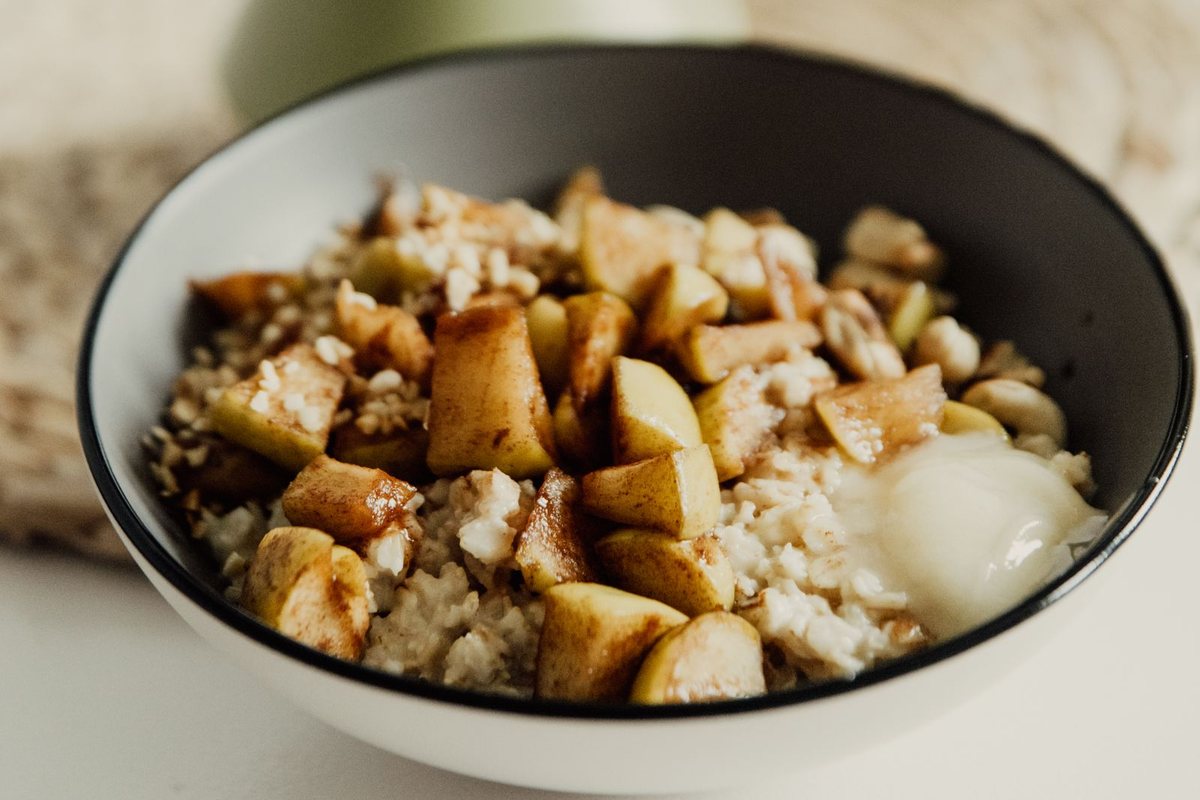
Spelt porridge with cinnamon apple and walnuts
Creamy porridge made with spelt flakes and soy drink, topped with warm cinnamon apple, flaxseed and walnuts – a warming breakfast for cold days.
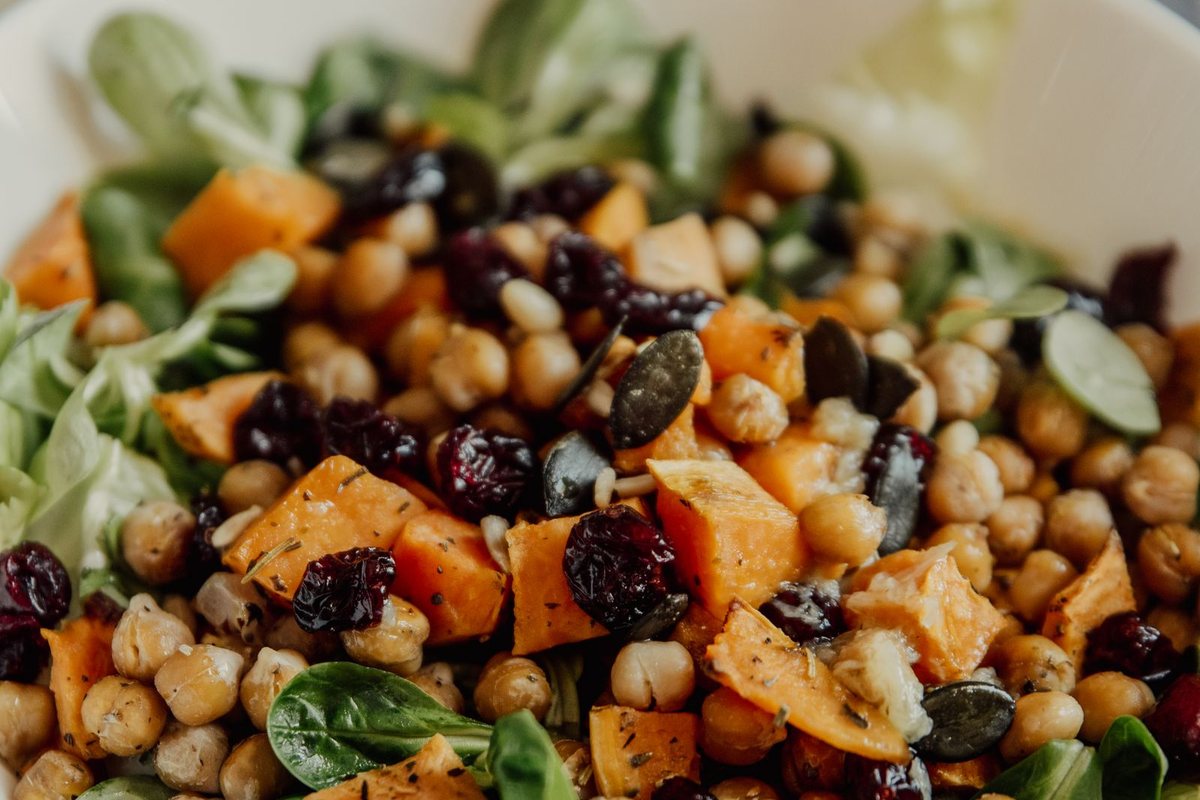
Roast vegetable bowl with pumpkin, chickpeas and tahini dressing
Roasted Hokkaido pumpkin and crispy chickpeas on quinoa and kale, brought together by a creamy tahini and lemon dressing.
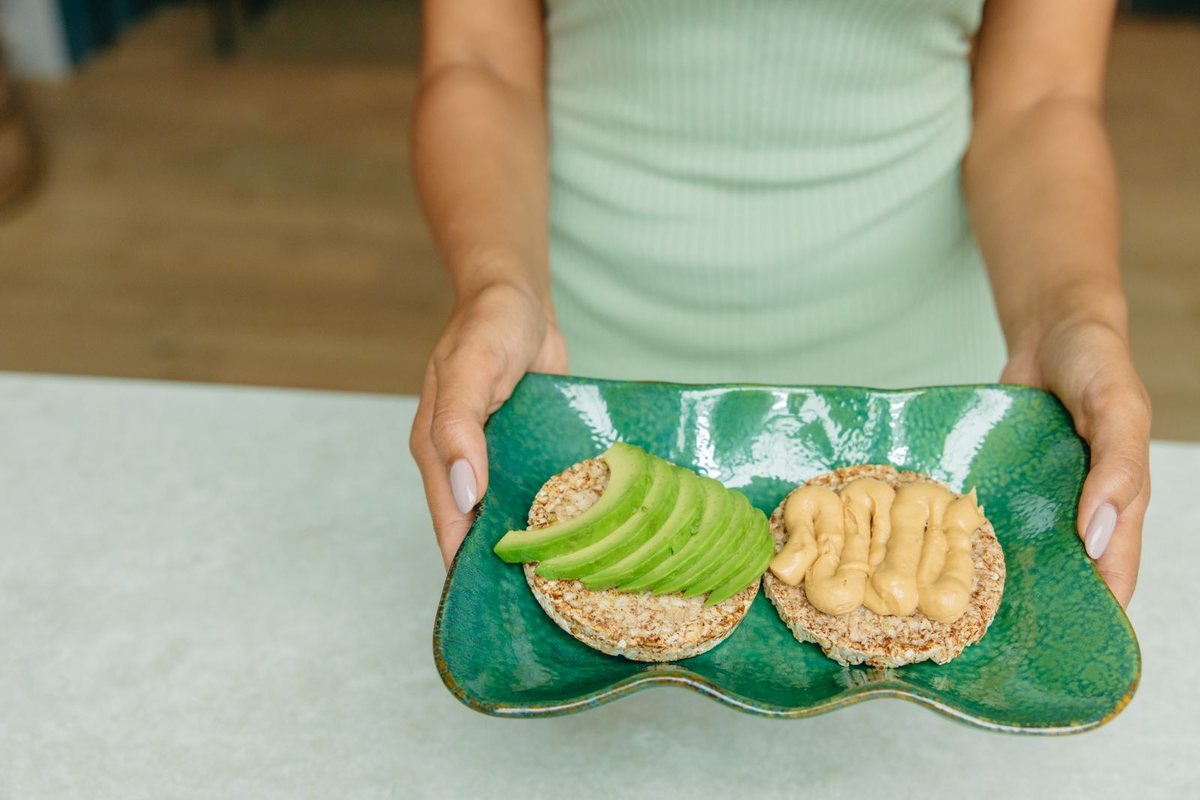
Wholegrain bread with hummus, avocado and seeds
A quick, savoury breakfast: wholegrain spelt bread with hummus, avocado, tomato, hemp seeds and pumpkin seeds.

Wholewheat spaghetti with lentil bolognese
A hearty bolognese made with red lentils, vegetables and tomatoes, served with wholewheat spaghetti – filling, high in fibre and family-friendly.
More nutrients
Reference values according to the German Nutrition Society (DGE) for adults unless stated otherwise. DGE reference values