Fibre
Fibre keeps you full, feeds gut bacteria and keeps blood sugar steady. Most people eat too little of it.
Keep an eye on it when eating animal productsWhat the body needs it for
- Gut health and digestion
- Lasting satiety
- Beneficial for blood sugar and cholesterol
How much you need
Adults: at least 30 g per day (DGE).
Good plant sources
Content per 100 g, rounded. Values vary by variety and product.
- Chia seedsapprox. 34 g
- Flaxseedsapprox. 27 g
- Lentils, dryapprox. 17 g
- Chickpeas, dryapprox. 17 g
- Oatsapprox. 10 g
- Wholegrain spelt flourapprox. 9 g
How to make the most of it
- Increase fibre gradually and drink enough.
- Whole grains instead of white flour, pulses several times a week.
- Eat fruit whole rather than as juice.
Matching recipes

Chili sin carne with beans and lentils
A hearty chili with kidney beans, lentils and sweetcorn. Perfect for cold days and for batch cooking several meals.
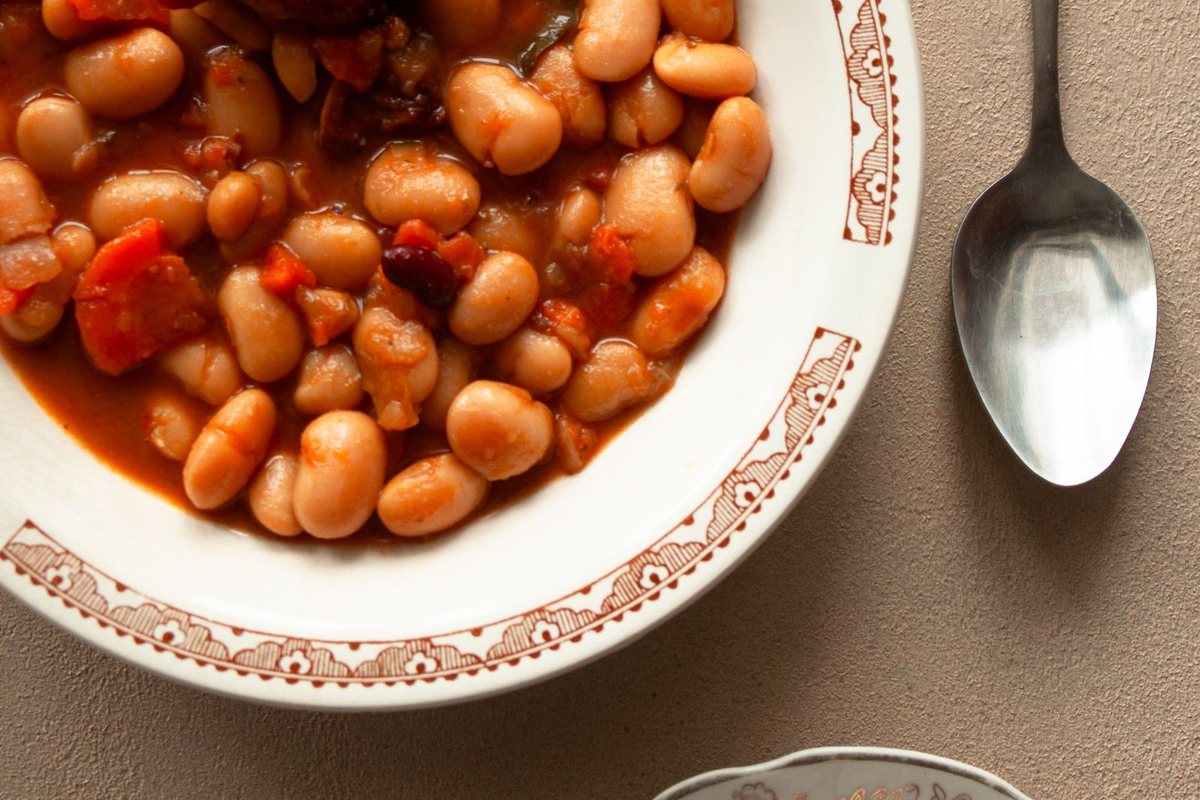
White bean stew with kale and smoked tofu
A warming winter stew with white beans, tomatoes, potatoes, kale and smoky tofu – hearty, high in fibre and ideal for batch cooking.

Wholewheat spaghetti with lentil bolognese
A hearty bolognese made with red lentils, vegetables and tomatoes, served with wholewheat spaghetti – filling, high in fibre and family-friendly.

Baked apples with oat crumble and walnuts
Warm baked apples with a crunchy crumble of oats, walnuts and almond butter, served with soy yoghurt – a dessert for cold days.
More nutrients
Reference values according to the German Nutrition Society (DGE) for adults unless stated otherwise. DGE reference values