Salt
Most people eat far too much salt – mainly from bread, sausage, cheese and ready meals.
Keep an eye on it with a plant-based dietKeep an eye on it when eating animal productsWhat the body needs it for
- Sodium regulates fluid balance
- Important for nerves and muscles
- Too much can raise blood pressure
How much you need
At most 6 g of salt per day (DGE). Average intake in Germany is considerably higher.
Where a lot of it is found
Content per 100 g, rounded. Values vary by variety and product.
- Soy sauceapprox. 14 g
- Salamiapprox. 4.5 g
- Cooked hamapprox. 2.5 g
- Hard cheeseapprox. 2 g
- Crispsapprox. 1.5 g
- Breadapprox. 1.2 g
How to make the most of it
- Use iodised salt at home, but sparingly.
- Season with herbs, spices, lemon and garlic.
- Cut down on sausage, cheese and ready meals – that is where most salt hides.
Matching recipes
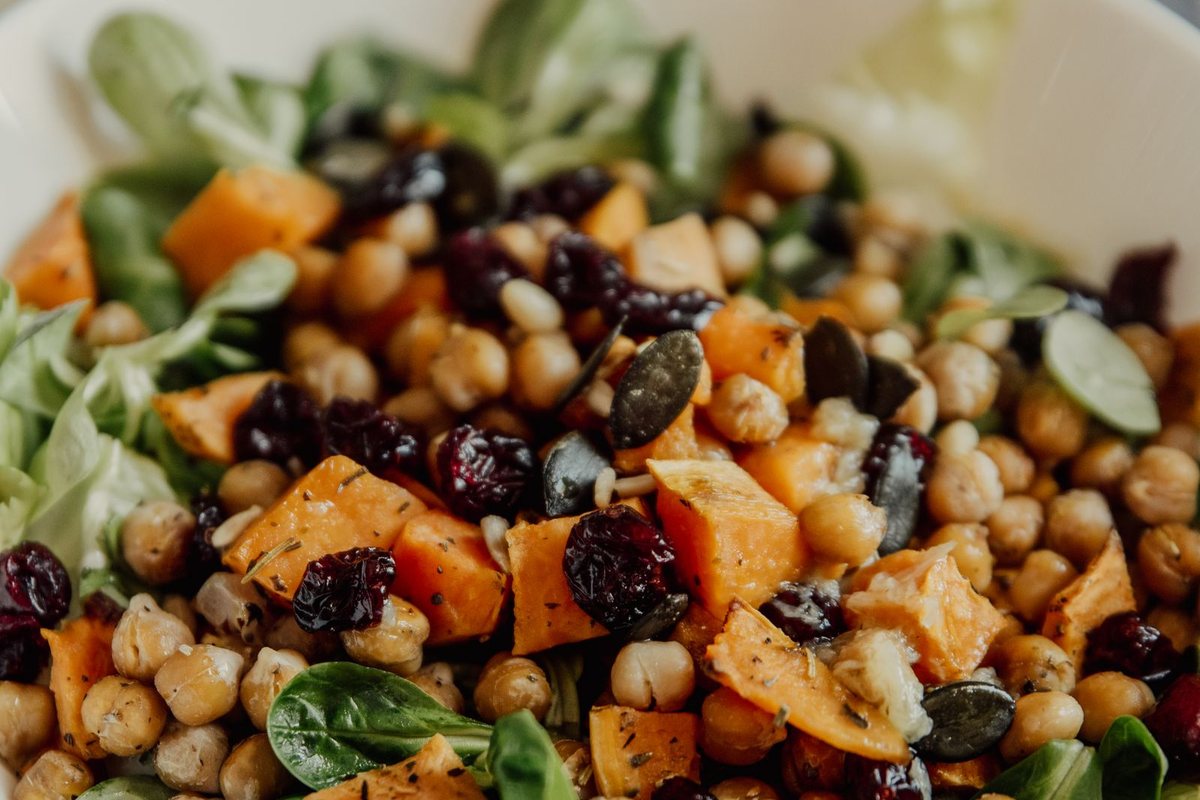
Roast vegetable bowl with pumpkin, chickpeas and tahini dressing
Roasted Hokkaido pumpkin and crispy chickpeas on quinoa and kale, brought together by a creamy tahini and lemon dressing.
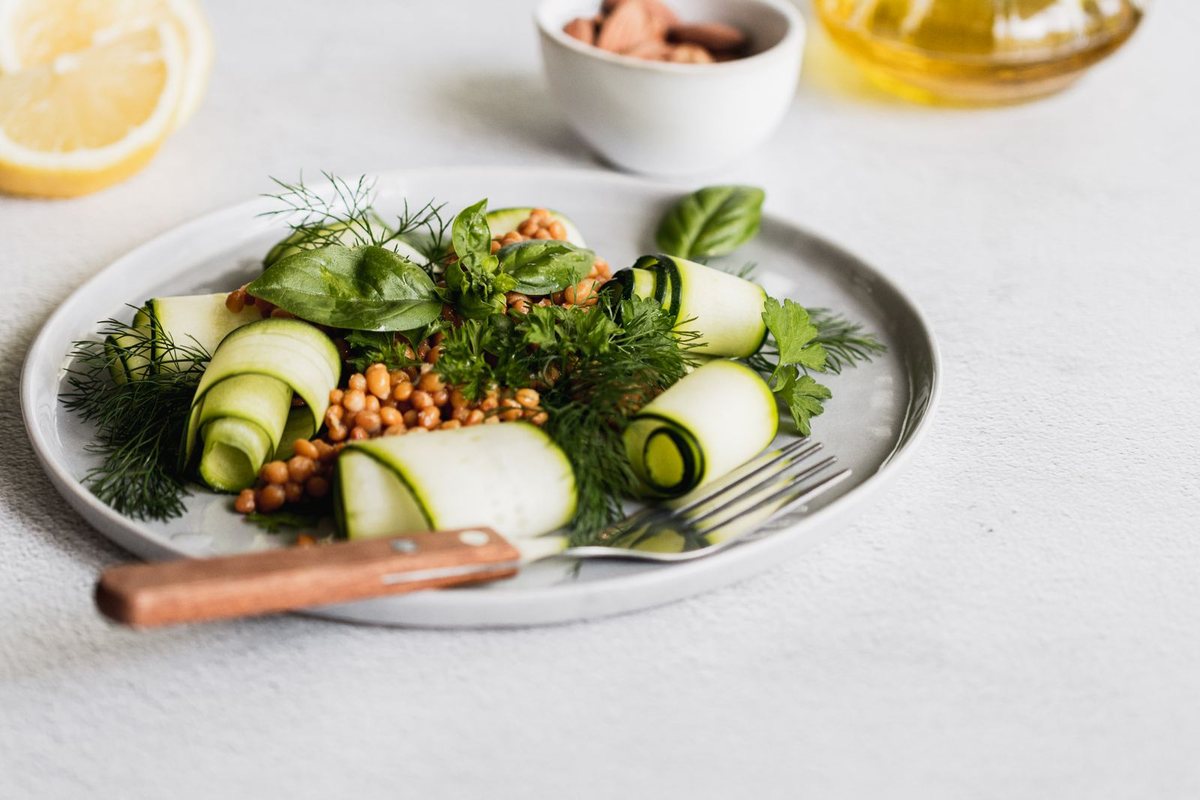
Lentil salad with beetroot and walnuts
A filling salad of beluga lentils, beetroot, rocket and walnuts with a mustard and cider vinegar dressing – delicious warm or cold.

Mediterranean lentil bowl with roast vegetables and hummus
Beluga lentils with roasted vegetables, rocket, hummus and pumpkin seeds – sunny, filling and great to take with you.
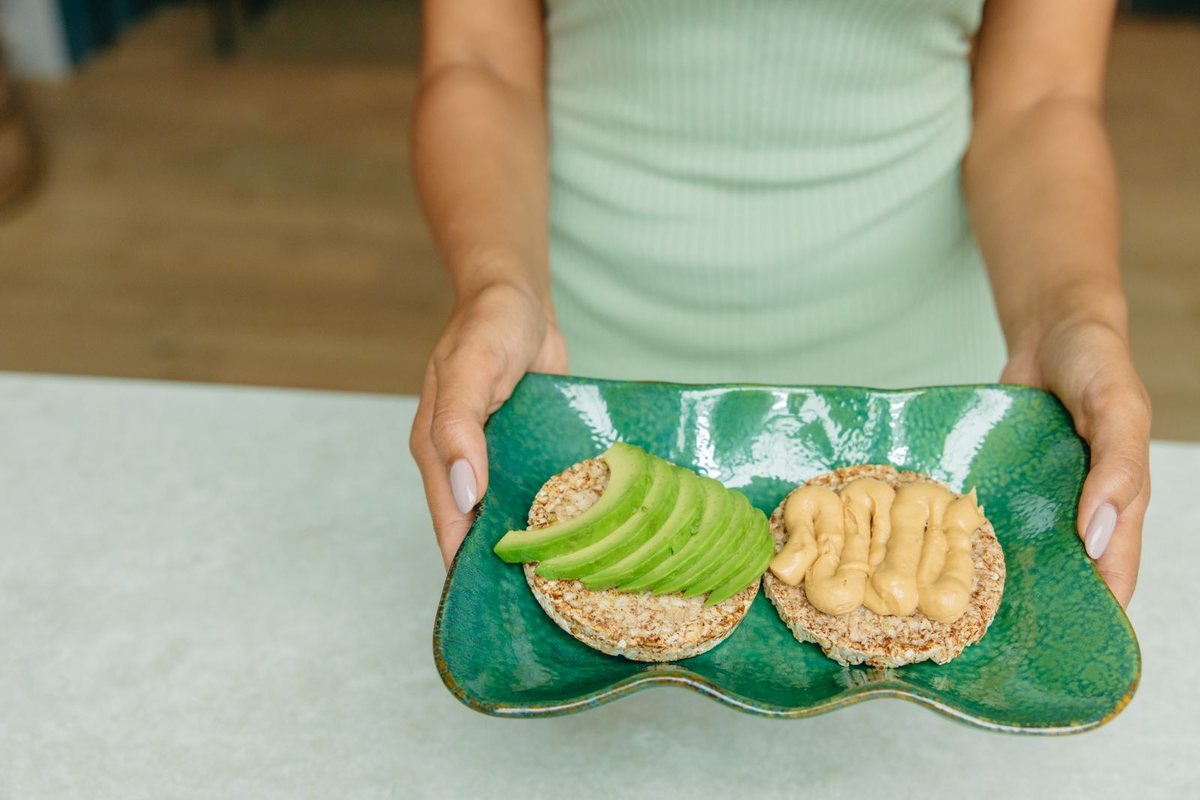
Wholegrain bread with hummus, avocado and seeds
A quick, savoury breakfast: wholegrain spelt bread with hummus, avocado, tomato, hemp seeds and pumpkin seeds.
More nutrients
Reference values according to the German Nutrition Society (DGE) for adults unless stated otherwise. DGE reference values